- FUJIAN CHANGHONG PRINTING MACHINE CO., LTD
- sale8@chprintingmachine.com
- +86 18150207107
Premium Paper Flexographic Printing Machines from Leading China Manufacturers
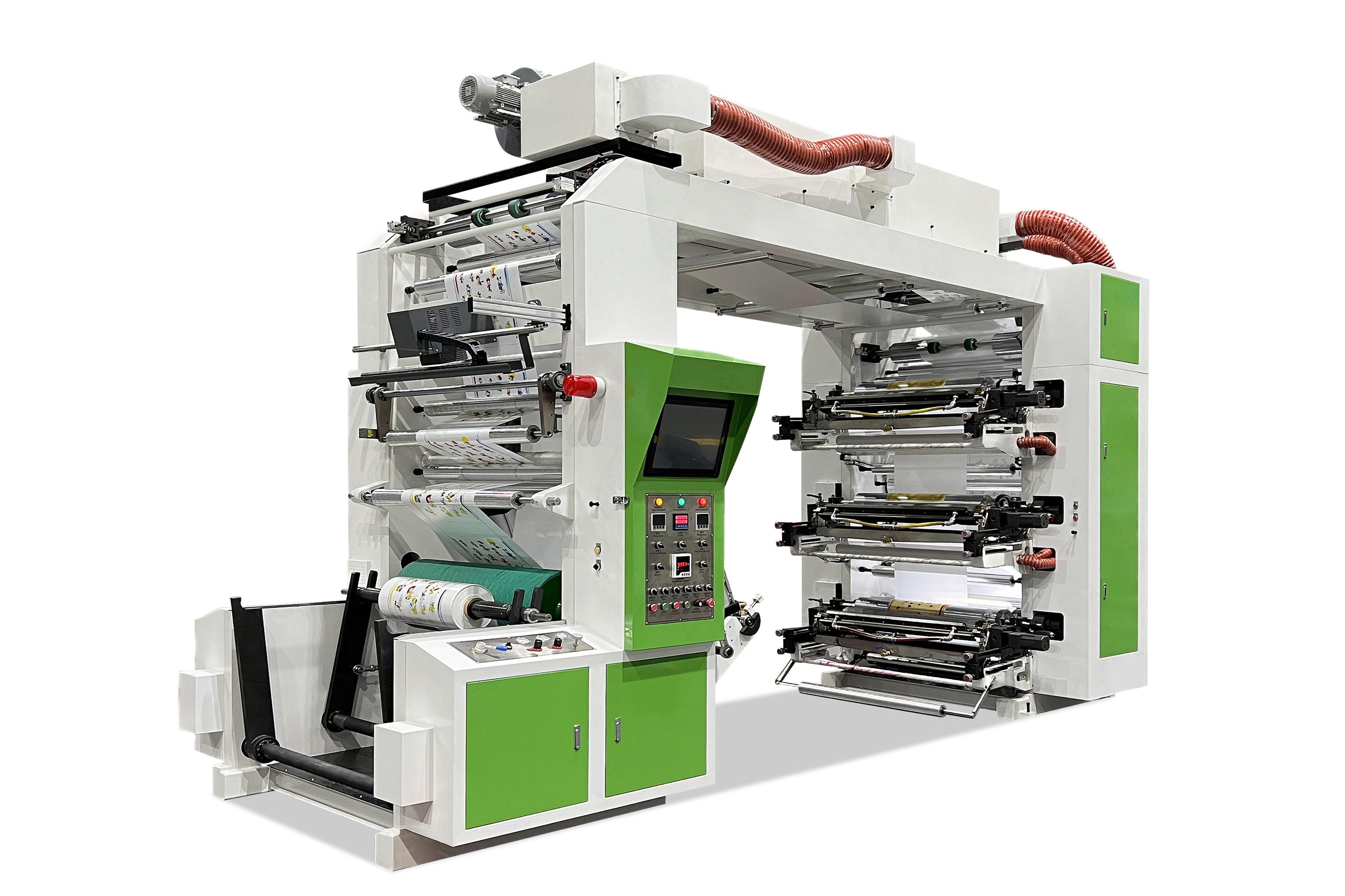
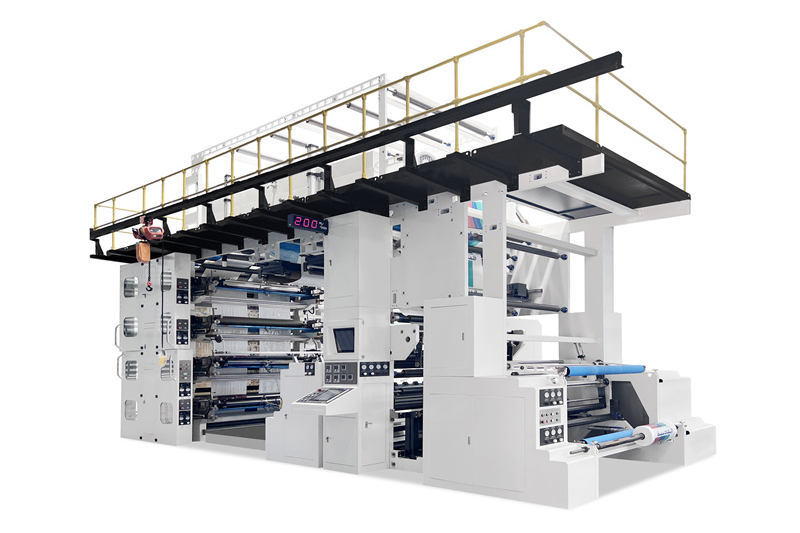
As a leading provider of Paper Flexographic Printing Machines, I understand the importance of quality and efficiency in your production process. Our machines, crafted in China, embody state-of-the-art technology, designed to deliver superior printing results on various paper types. I know how crucial it is for you to partner with reliable manufacturers who prioritize durability and performance. That’s why our machines come equipped with user-friendly interfaces and customizable features, streamlining your operations and meeting your unique printing needs. With my hands-on experience, I can assure you that investing in our flexographic printing machines will not only enhance your production capabilities but also reduce operational costs. Let's elevate your printing business together with top-notch machinery that stands out in the market. Reach out today to learn more about the specifications and how we can support you in achieving your production goals.
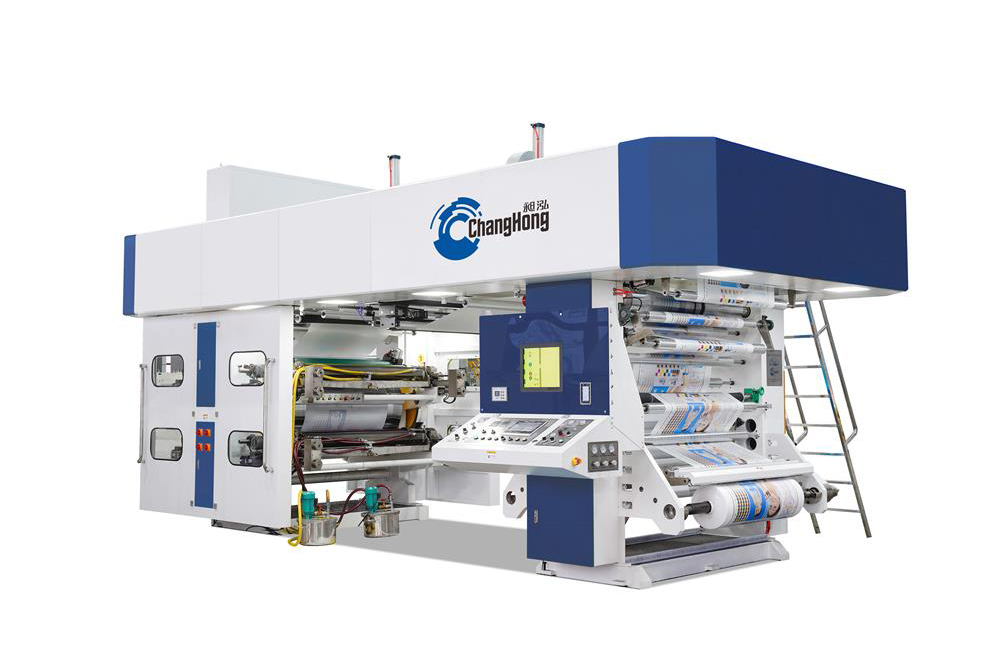
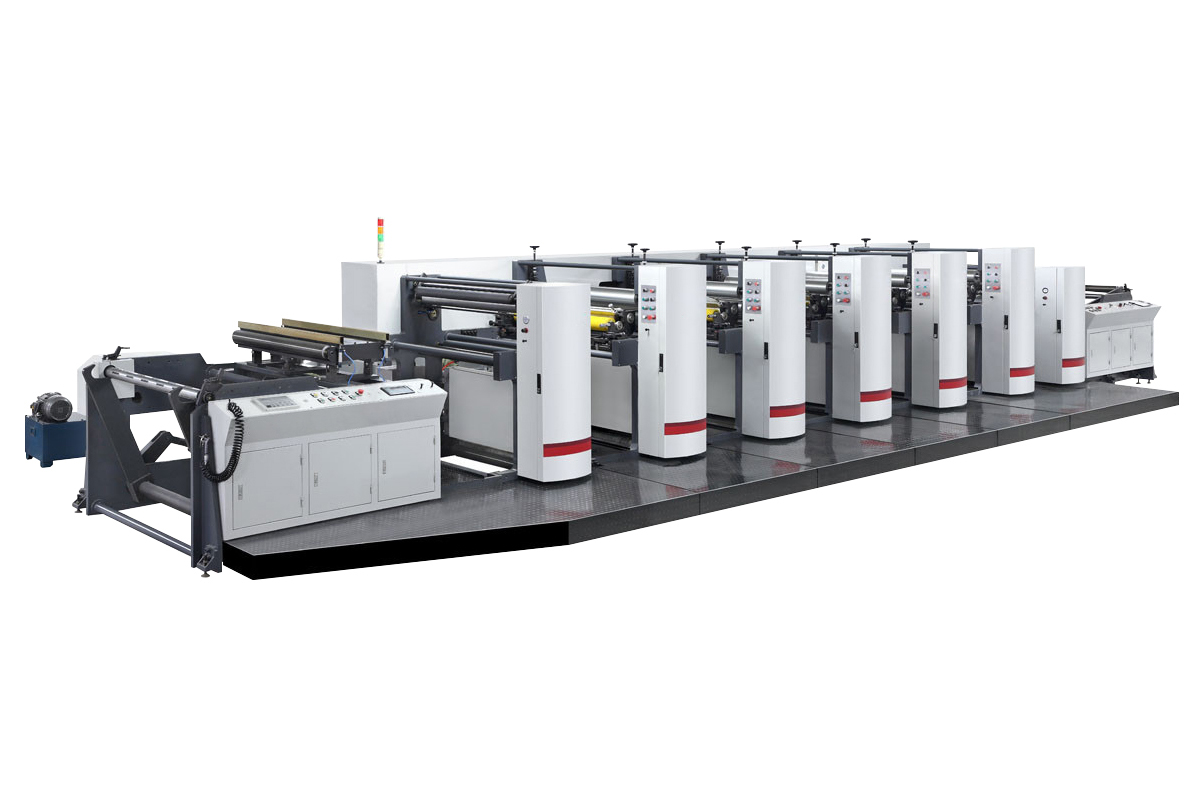
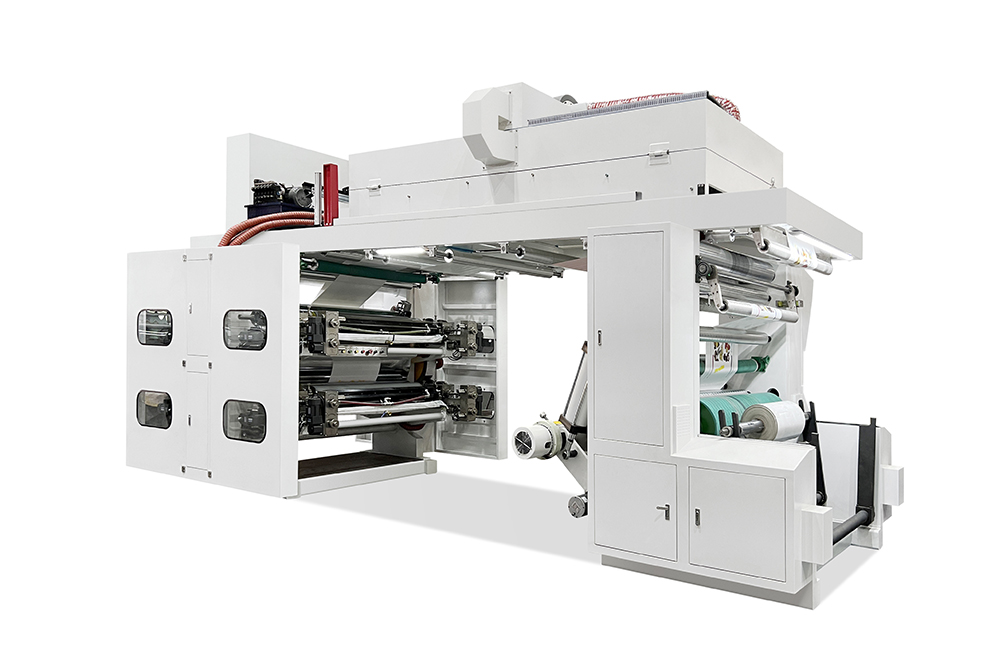
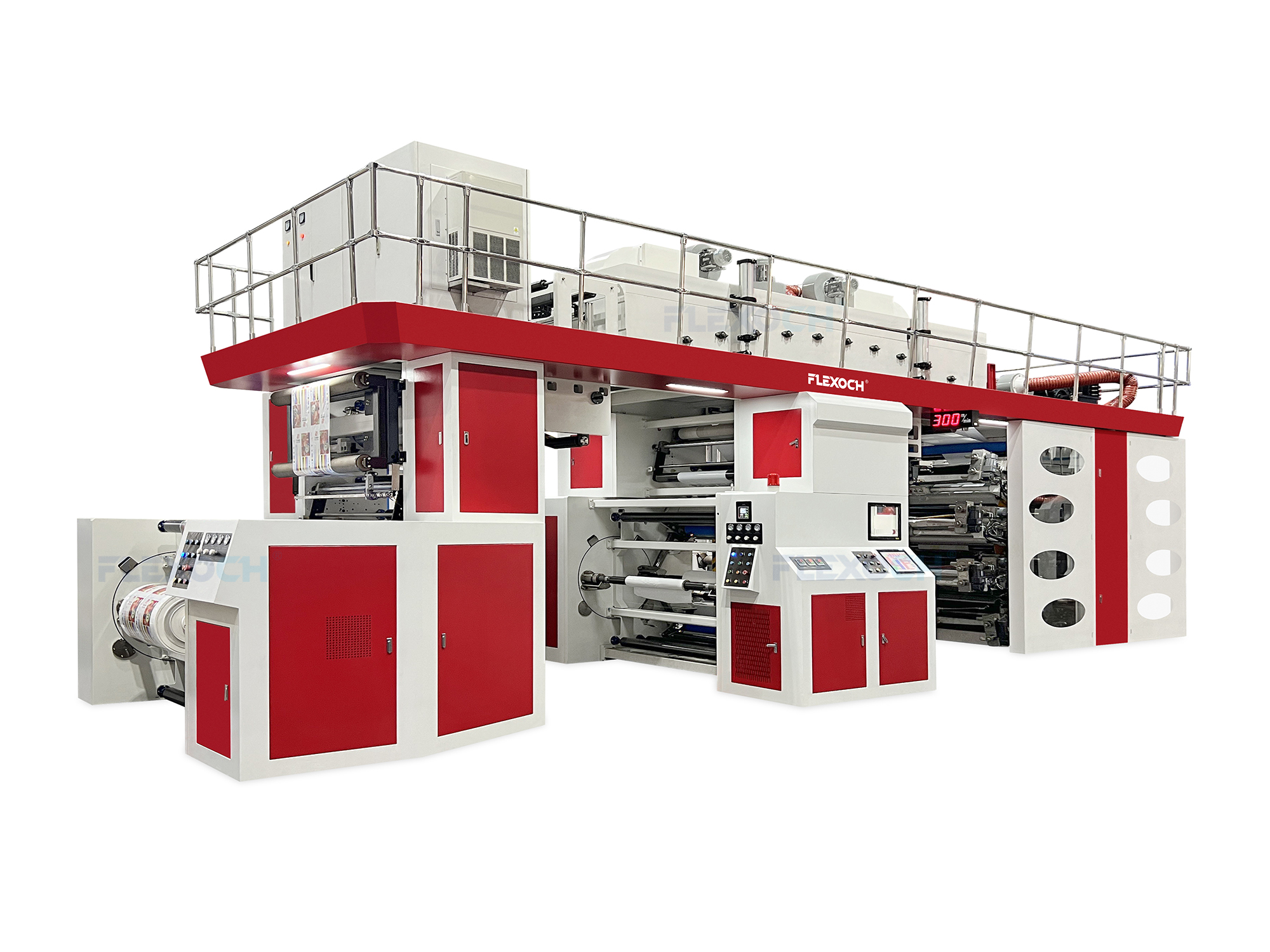
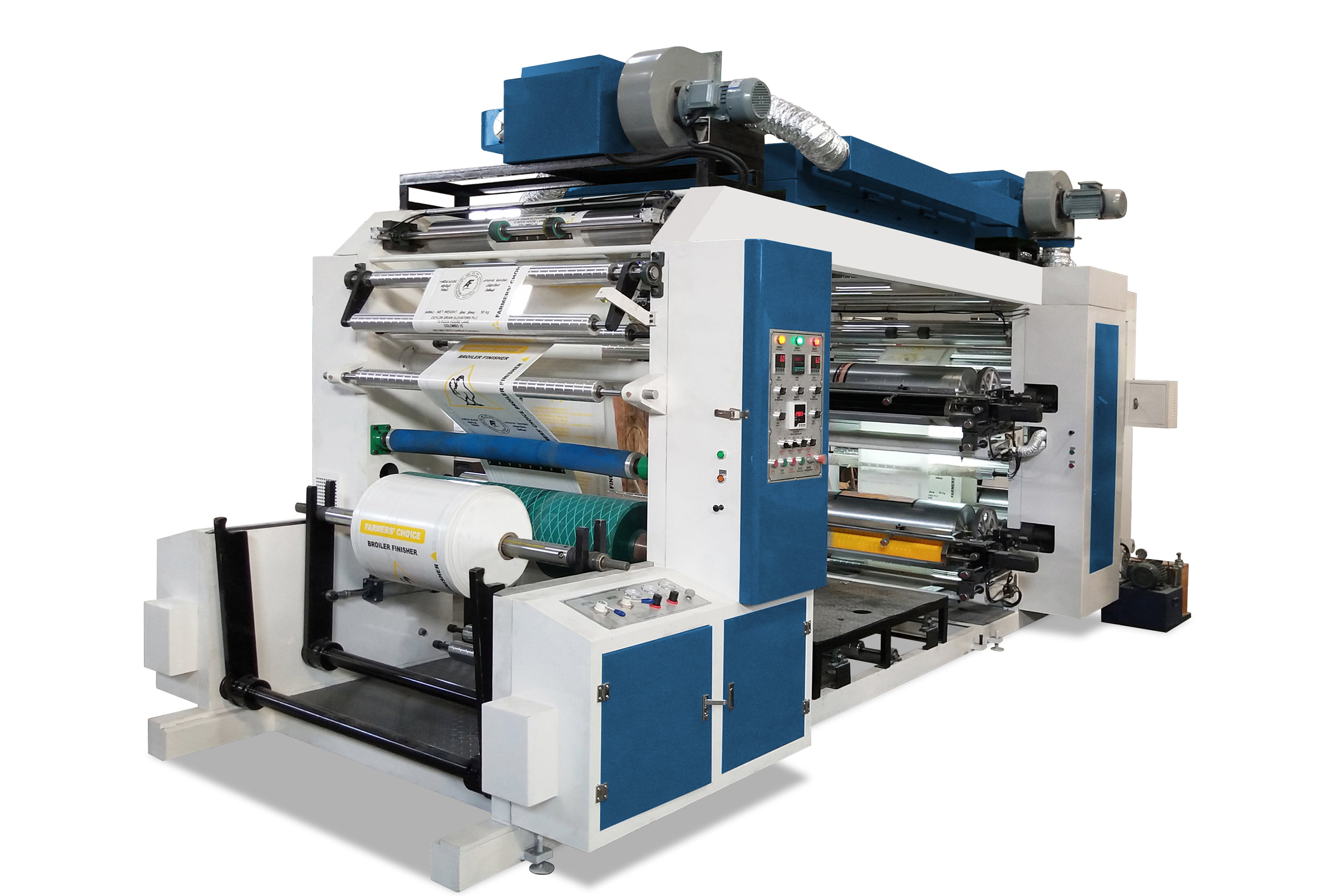
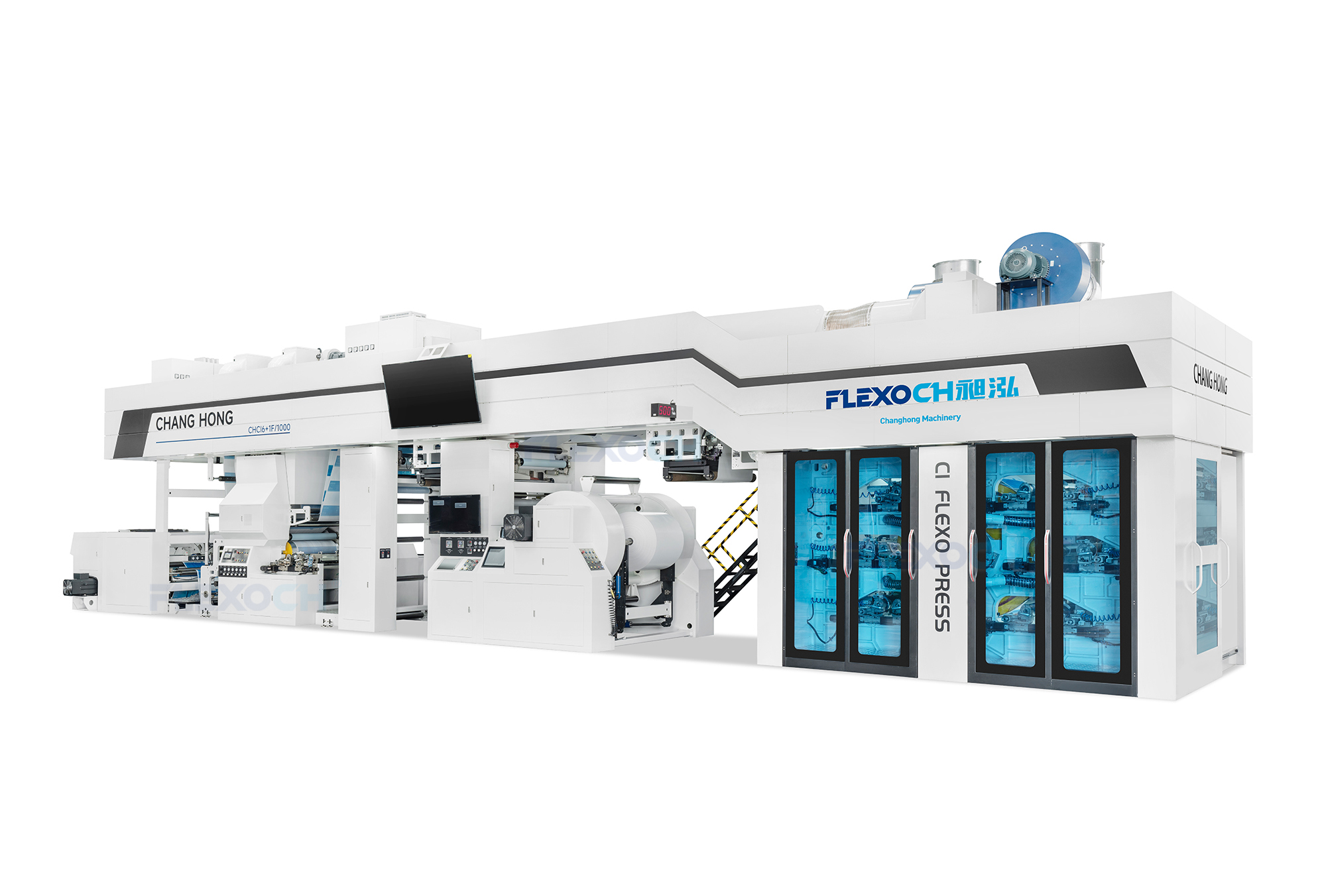
Paper Flexographic Printing Machine For the Current Year Where Innovation Meets 2025
In the fast-evolving landscape of packaging and printing technology, the Paper Flexographic Printing Machine stands out as a beacon of innovation for 2025. As brands increasingly prioritize sustainability and efficiency, this cutting-edge machinery not only caters to the demand for high-quality prints but also emphasizes eco-friendly production practices. The advancements in flexographic printing technology ensure that businesses can meet the growing expectations of consumers for vibrant, detailed designs while maintaining cost-effectiveness in their operations. The latest models incorporate smart technology and automation, enabling seamless integration into existing production lines. With enhanced printing speeds and precision, they significantly reduce waste and energy consumption, aligning with global sustainability goals. Furthermore, the adaptability of these machines allows for a wide range of substrate compatibility, facilitating diverse applications from flexible packaging to labels, making them a versatile choice for manufacturers looking to innovate their product offerings. Investing in a modern Paper Flexographic Printing Machine positions businesses at the forefront of the competitive printing market. As the industry progresses toward 2025, these machines not only enhance operational efficiency but also support the shift toward sustainable practices, making them an essential asset for any forward-thinking organization aiming to thrive in a conscientious global marketplace.
Paper Flexographic Printing Machine For the Current Year Where Innovation Meets 2025
| Feature | Description | Benefit | Innovation Level |
|---|---|---|---|
| High-Speed Printing | Capable of printing up to 300 meters per minute. | Increased productivity and reduced lead times. | High |
| Eco-Friendly Inks | Utilizes biodegradable and vegetable-based inks. | Reduced environmental impact and compliance with regulations. | Medium |
| User-Friendly Interface | Touchscreen controls for easy operation. | Reduced training time and operator errors. | High |
| Quick Changeover | Simplified mechanisms for changing prints. | Minimized downtime and faster transitions between jobs. | High |
| Automated Color Registration | System for ensuring precise color alignment. | Improved print quality and color accuracy. | High |
Related Products
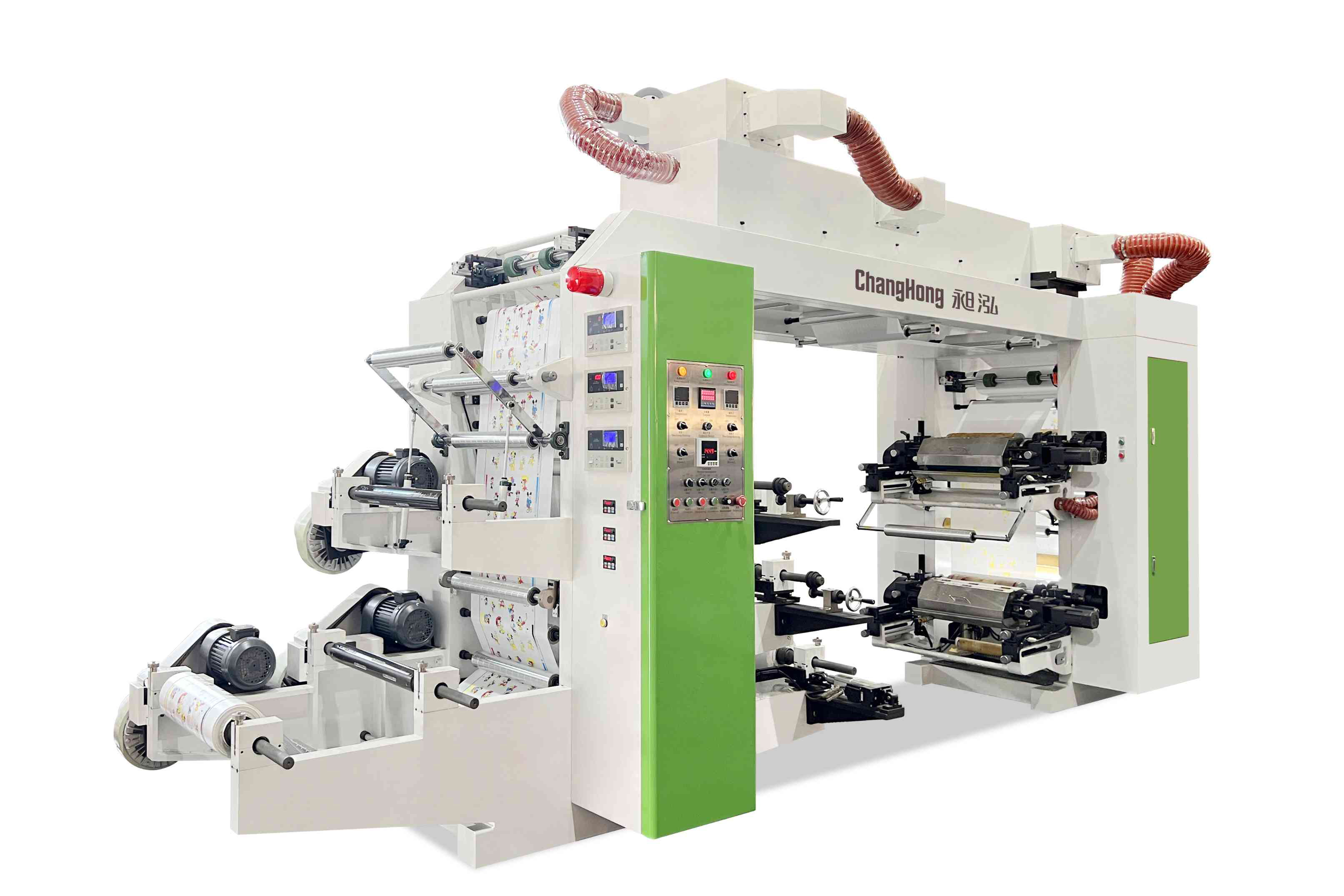
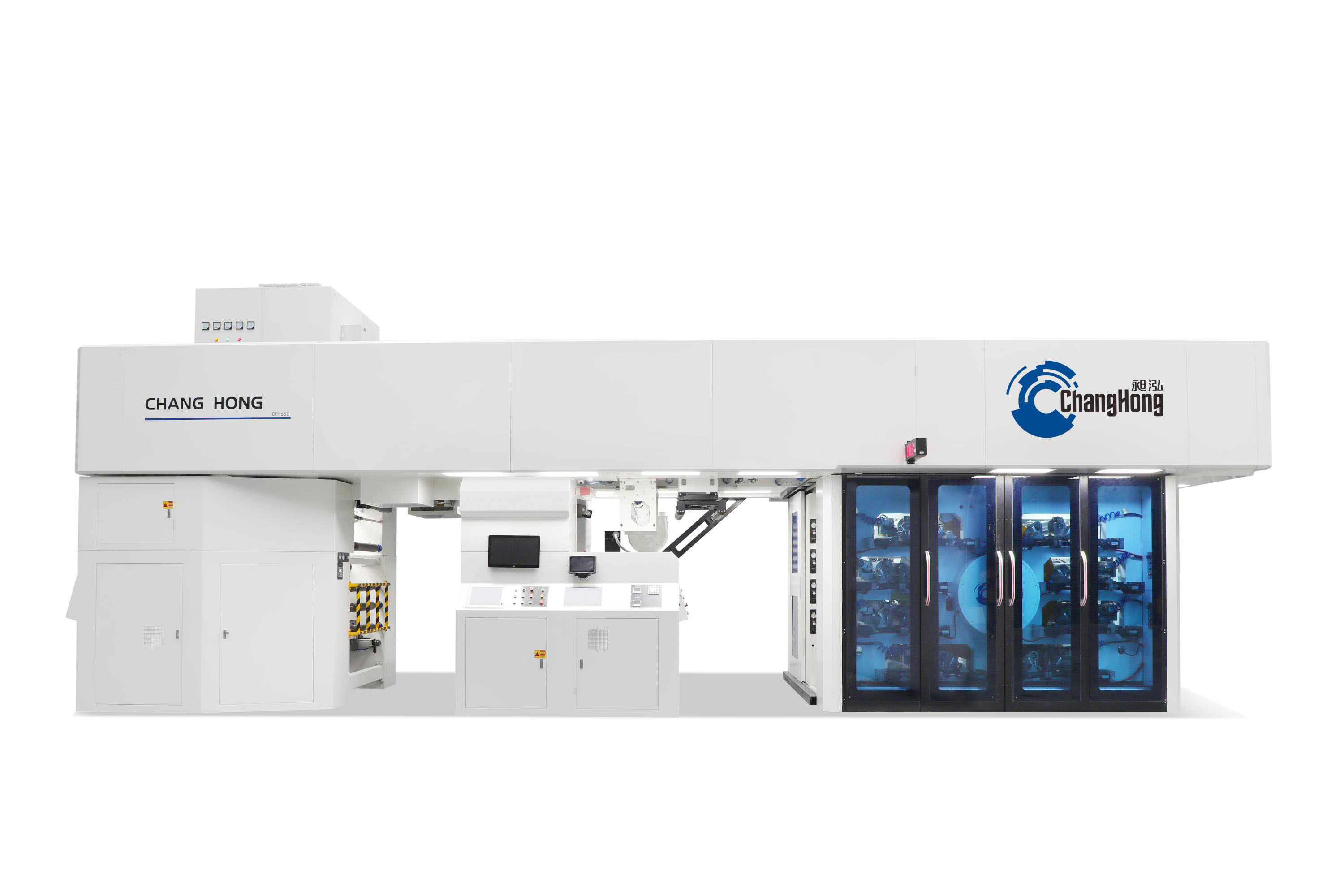
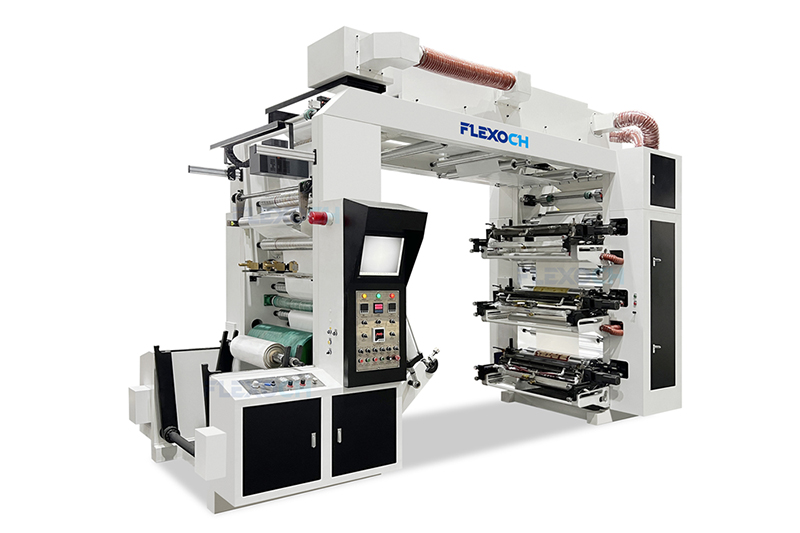
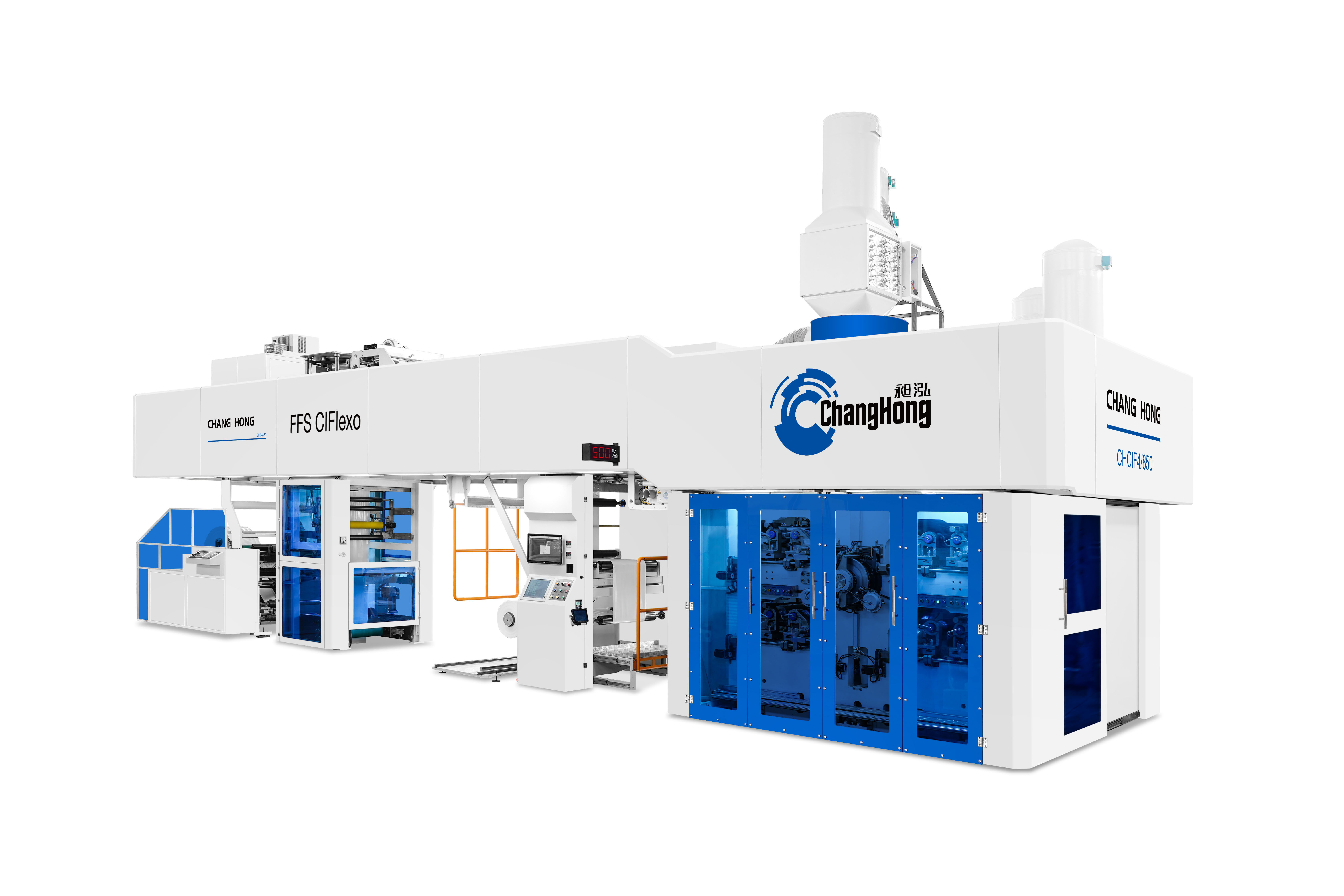
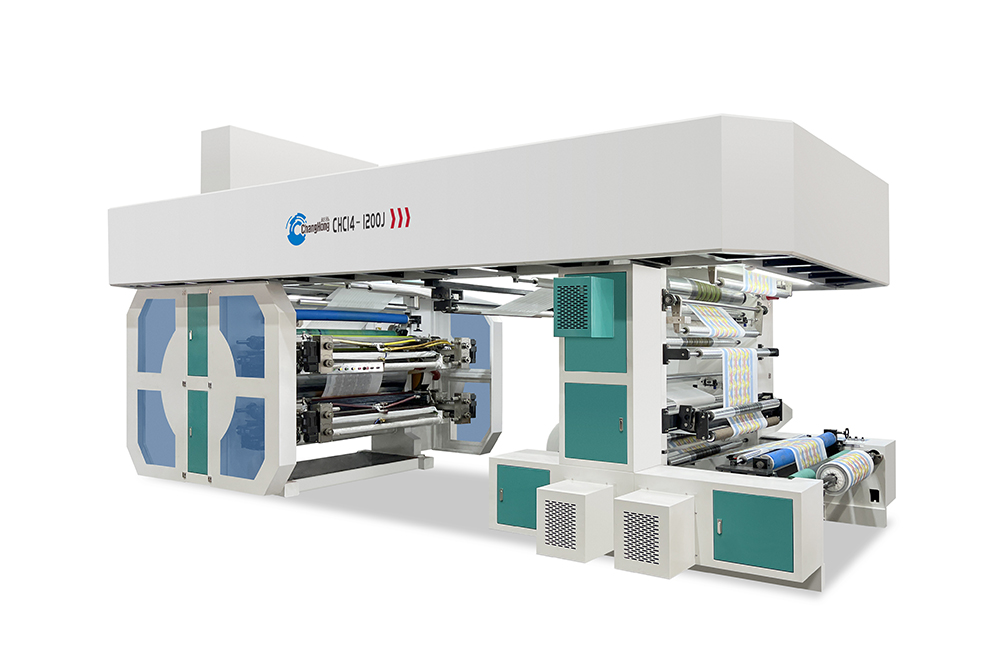
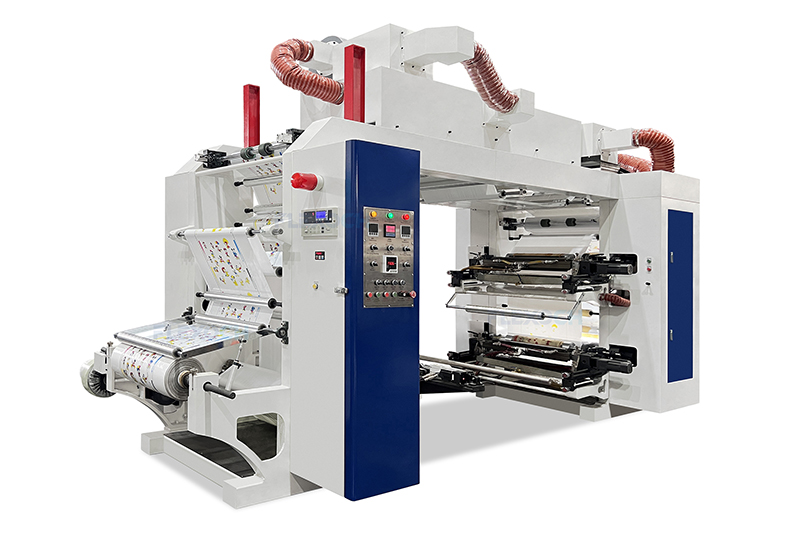
Paper Flexographic Printing Machine Factory-Direct Excellence More Than a Supplier - A Partner
Top Selling Products
- Related Blog
- Reviews
