- FUJIAN CHANGHONG PRINTING MACHINE CO., LTD
- sale8@chprintingmachine.com
- +86 18150207107
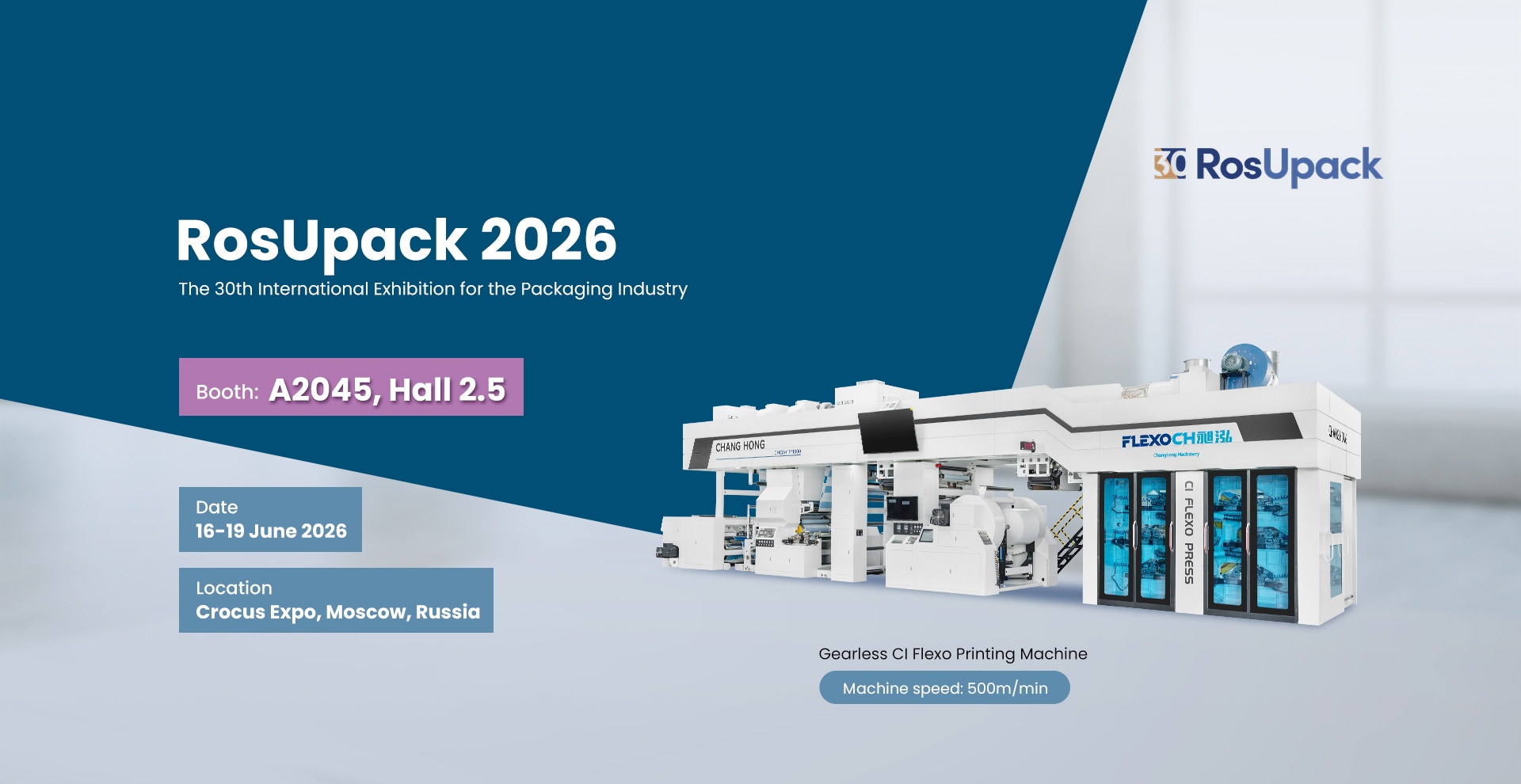
Top China Manufacturers of Ci Flexographic & Letterpress Ci Printing Machines
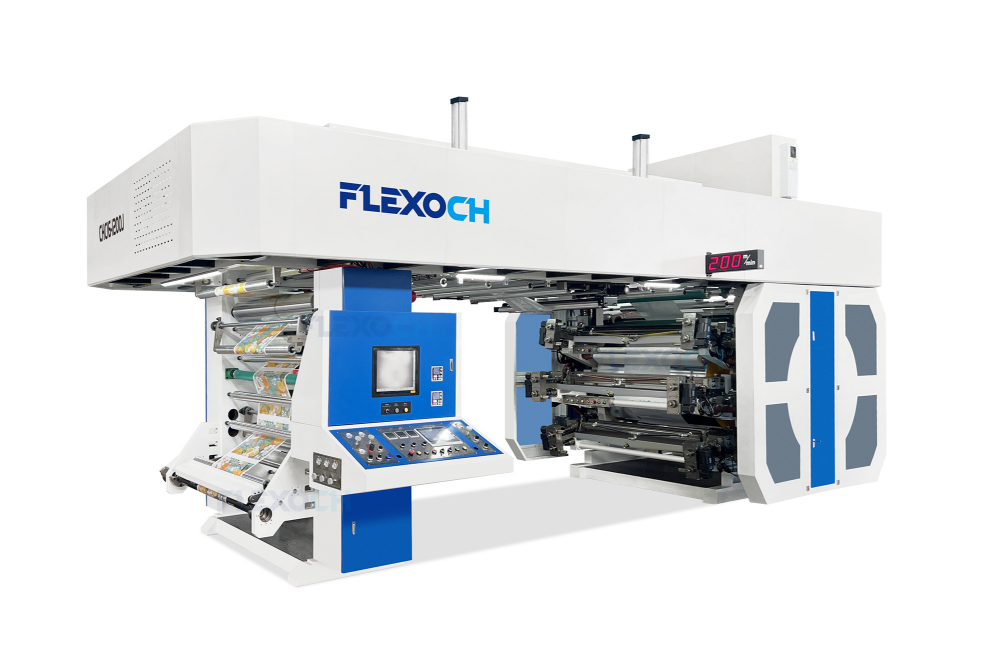
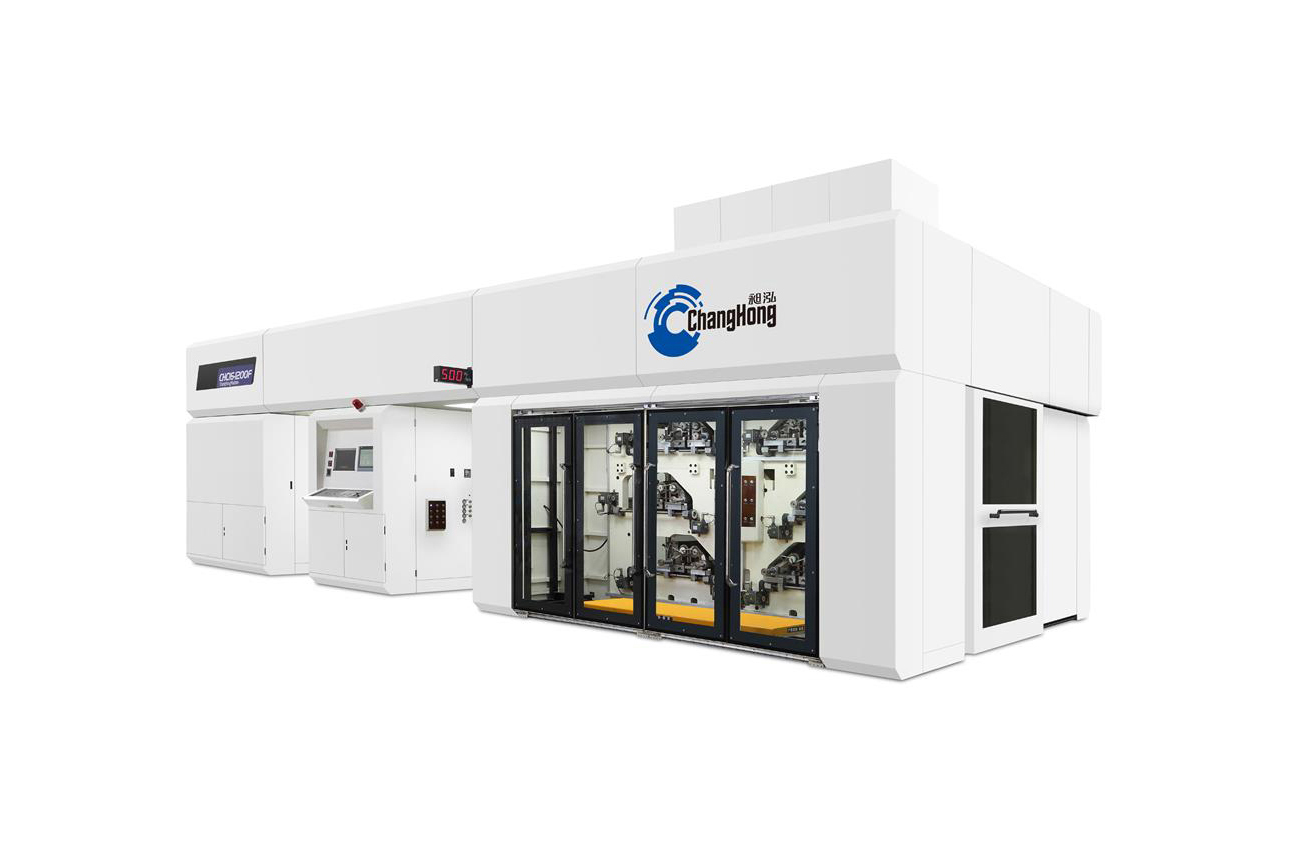
When it comes to high-quality printing solutions, the Ci Flexographic Printing Machine and Letterpress Ci Printing Machine are exactly what you need. I’ve seen firsthand how these machines transform production lines, enhancing efficiency and print quality. Designed for versatility, the Ci Flexographic model is perfect for various substrates, while the Letterpress option adds a unique touch to packaging and labels. Sourcing these machines from reputable manufacturers in China ensures you’re getting reliable technology backed by excellent support. I've found that businesses like yours benefit significantly from these machines, as they not only elevate your printing capabilities but also improve overall workflow. Whether you’re in packaging or label printing, investing in these advanced printing machines can make a real difference in your operations. Let's take your printing to the next level with top-notch equipment tailored for your needs!
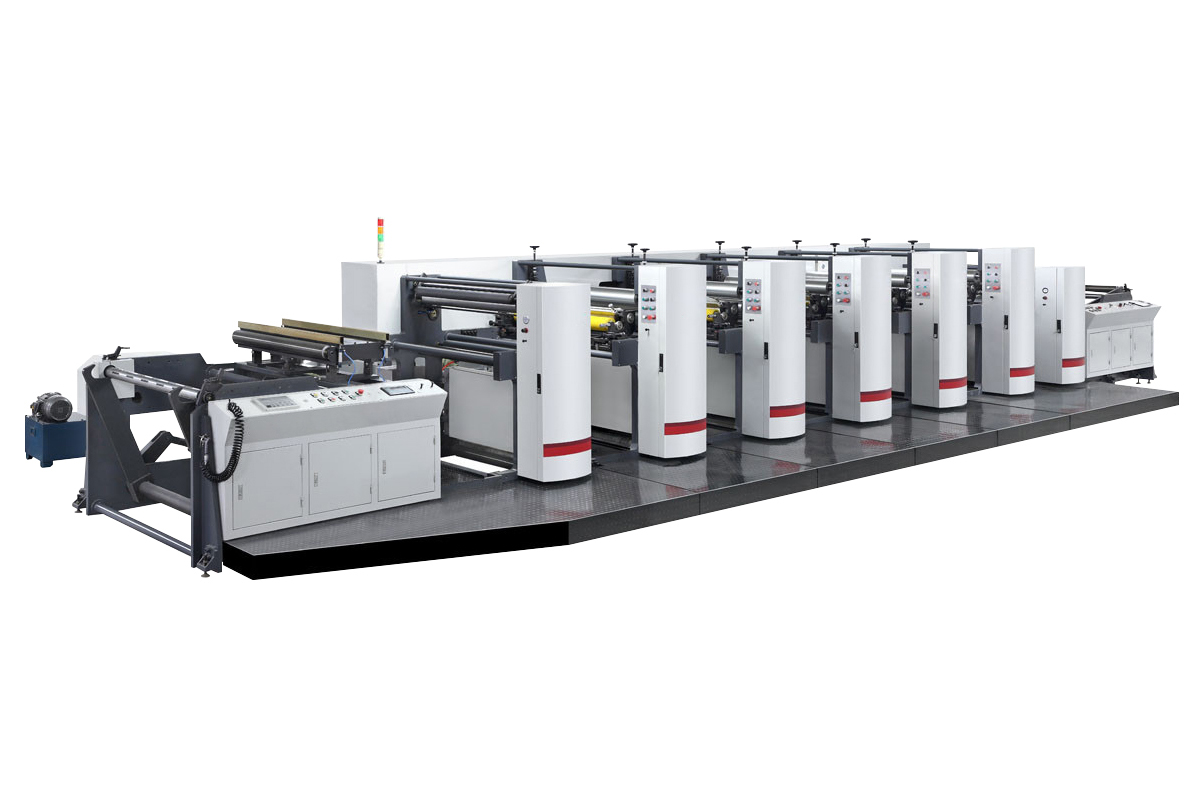
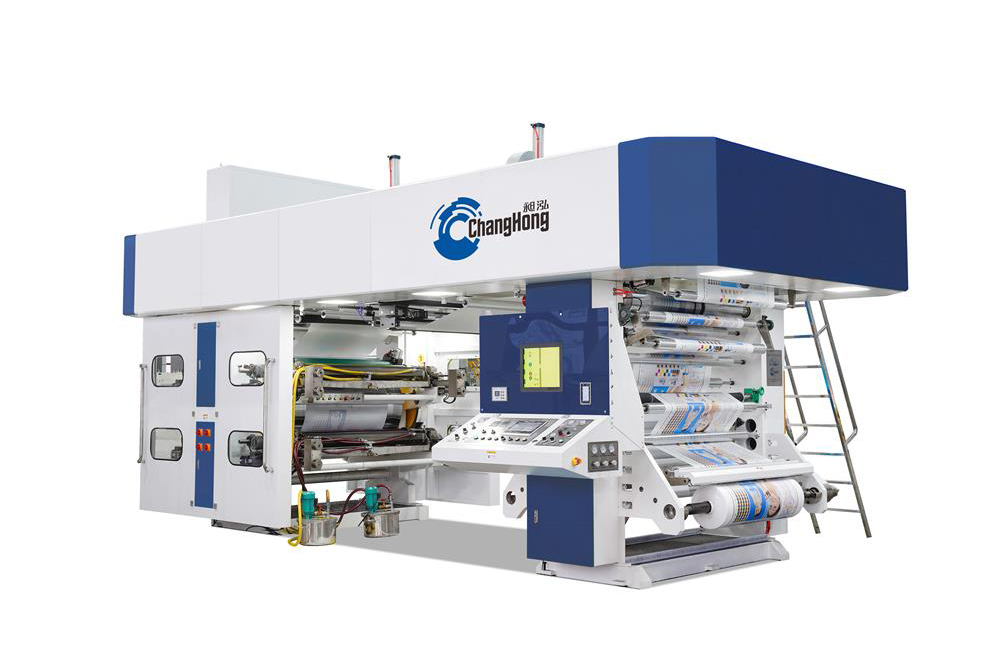
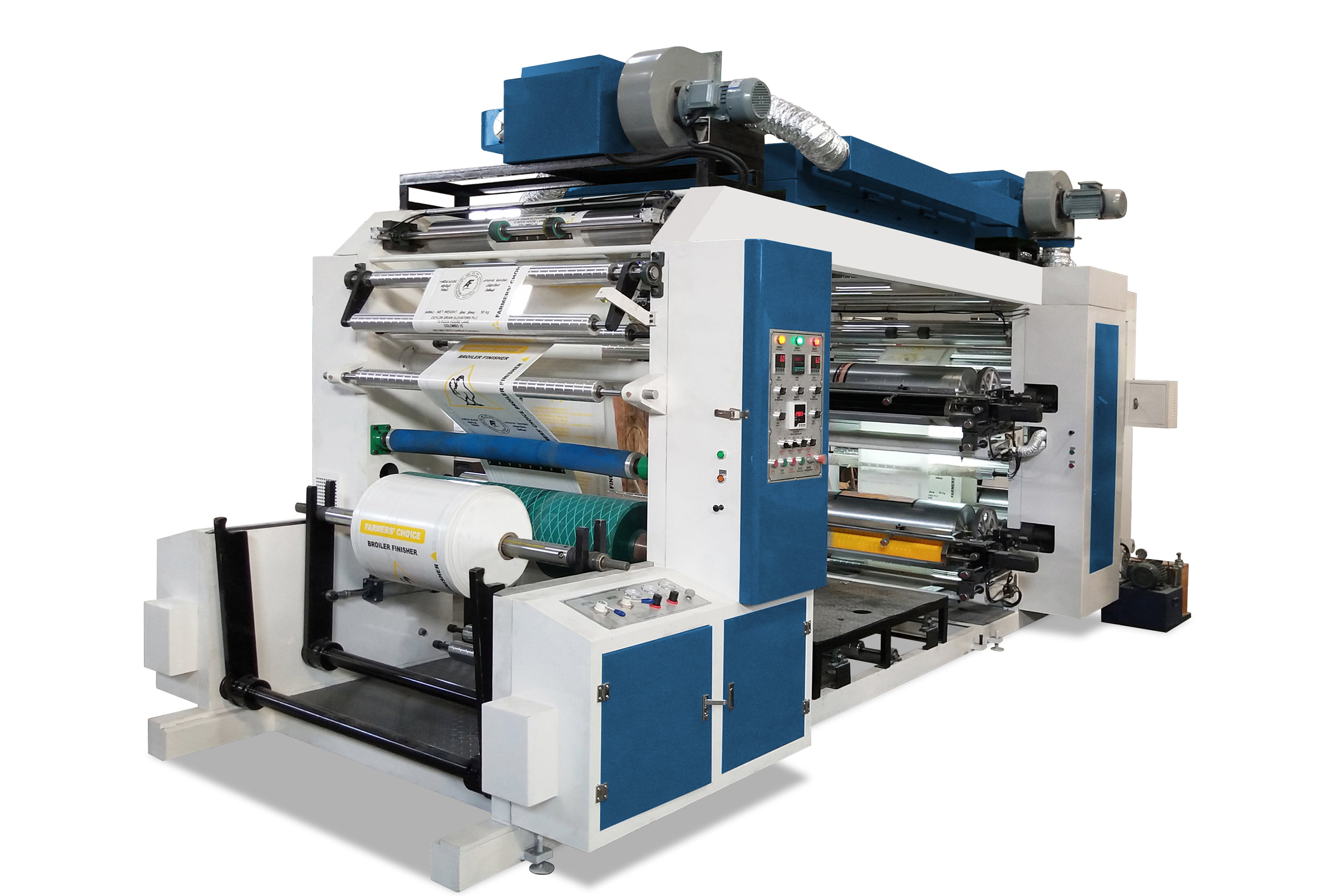
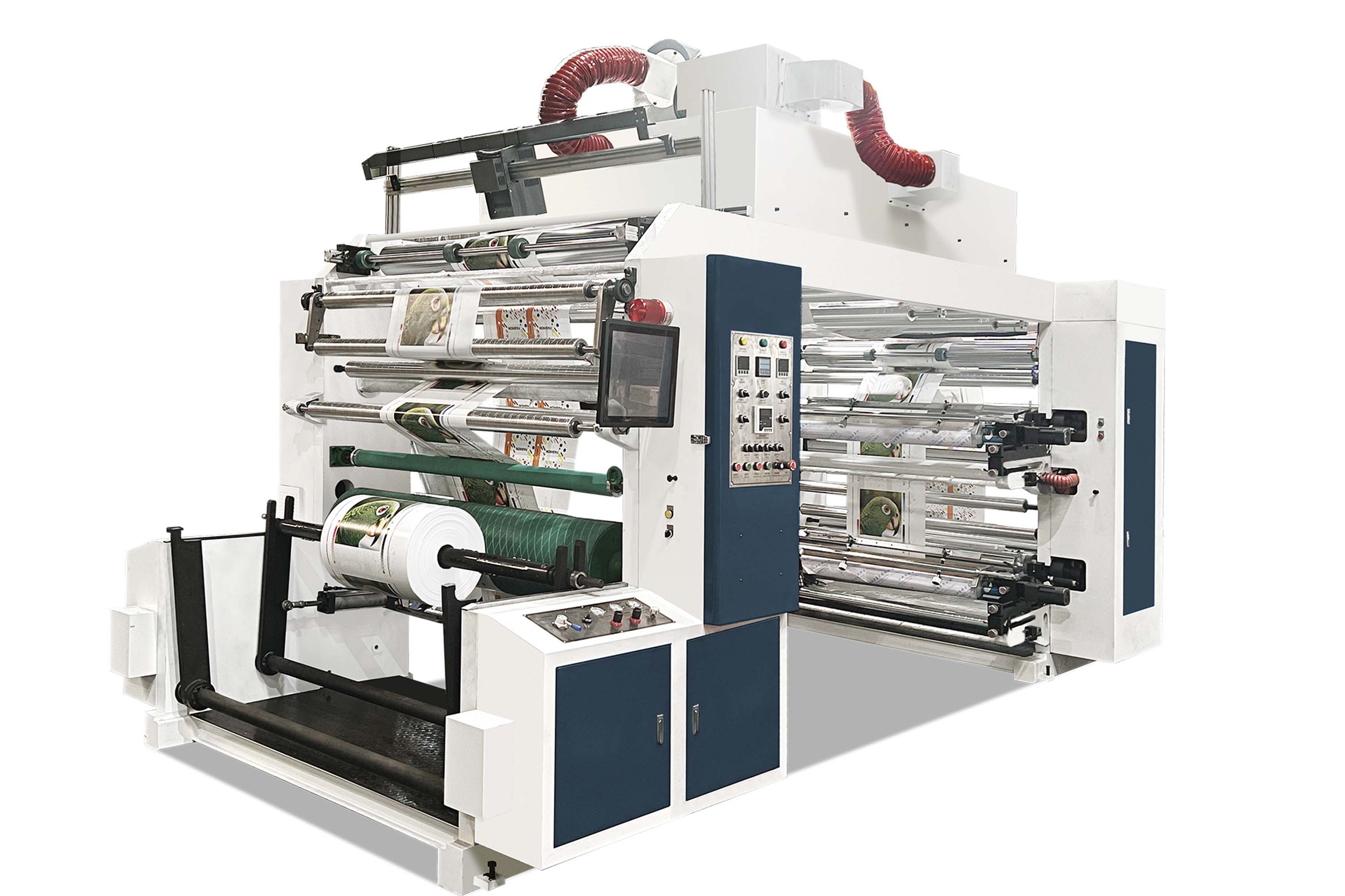
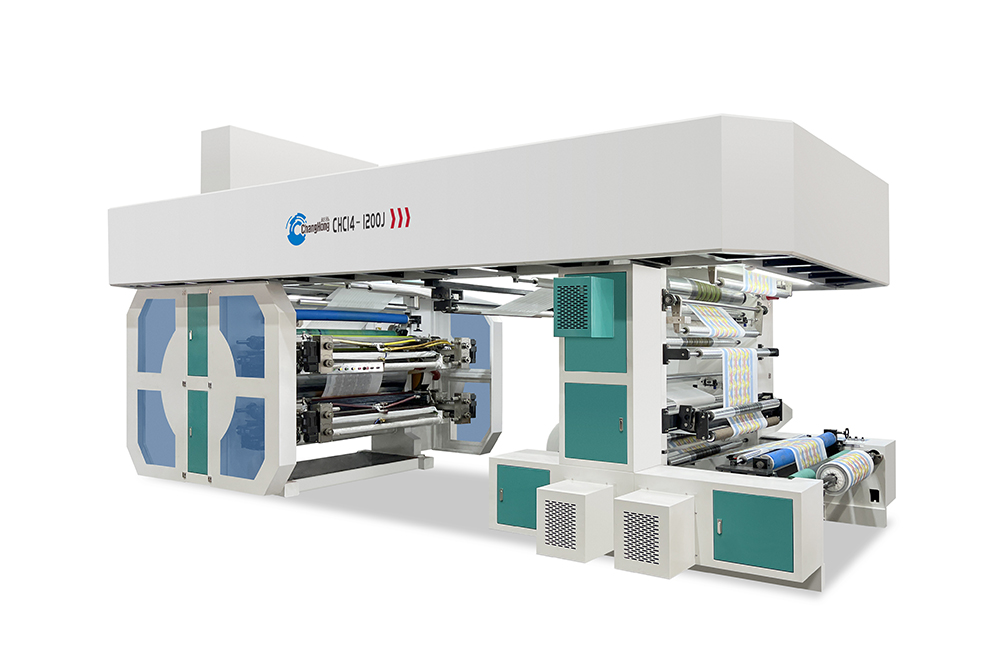
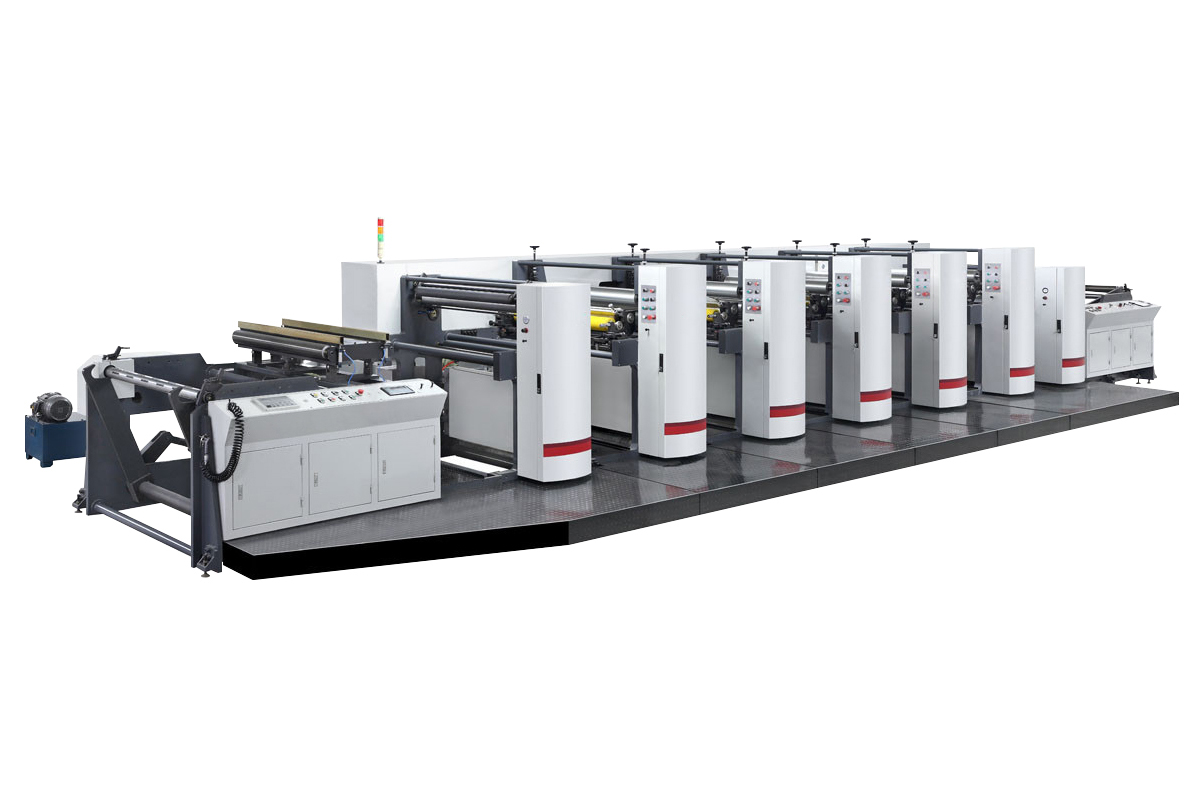
Ci Flexographic Printing Machine and Letterpress Ci Printing Machine Market Leader For the Current Year
In the competitive landscape of printing technologies, the demand for Ci flexographic and letterpress Ci printing machines has heightened significantly this year. These advanced printing solutions not only deliver exceptional print quality but also ensure operational efficiency and sustainability, making them a top choice among global procurement professionals. The market is witnessing a shift towards innovations that cater to the needs of diverse industries, including packaging, labeling, and commercial printing. Flexographic printing machines have carved out a significant niche thanks to their versatility and speed. Businesses are increasingly adopting these machines to enhance productivity while maintaining cost-effectiveness. Similarly, letterpress printing machines are experiencing a resurgence, appreciated for their ability to create unique textures and finishes. As companies seek to differentiate their products in a saturated market, the tactile and visual appeal of letterpress prints offers an advantage that is hard to overlook. The continuous advancements in technology have enabled manufacturers to improve the performance and reliability of these machines, ensuring they meet the rigorous demands of modern production environments. As a result, procurement decisions are driven not only by cost considerations but also by the capability of these machines to integrate seamlessly into existing workflows. For global buyers, investing in the latest printing technologies presents an opportunity to elevate their brand perception while optimizing their operational performance.
| Category | Market Share (%) | Sales Volume (units) | Growth Rate (%) | Year-on-Year Change (%) |
|---|---|---|---|---|
| Flexographic Printing Machines | 42 | 50000 | 10 | 5 |
| Letterpress Printing Machines | 28 | 30000 | 8 | 4 |
| Digital Printing Machines | 15 | 25000 | 12 | 6 |
| Offset Printing Machines | 10 | 20000 | 5 | 2 |
| Gravure Printing Machines | 5 | 10000 | 3 | 1 |
Related Products
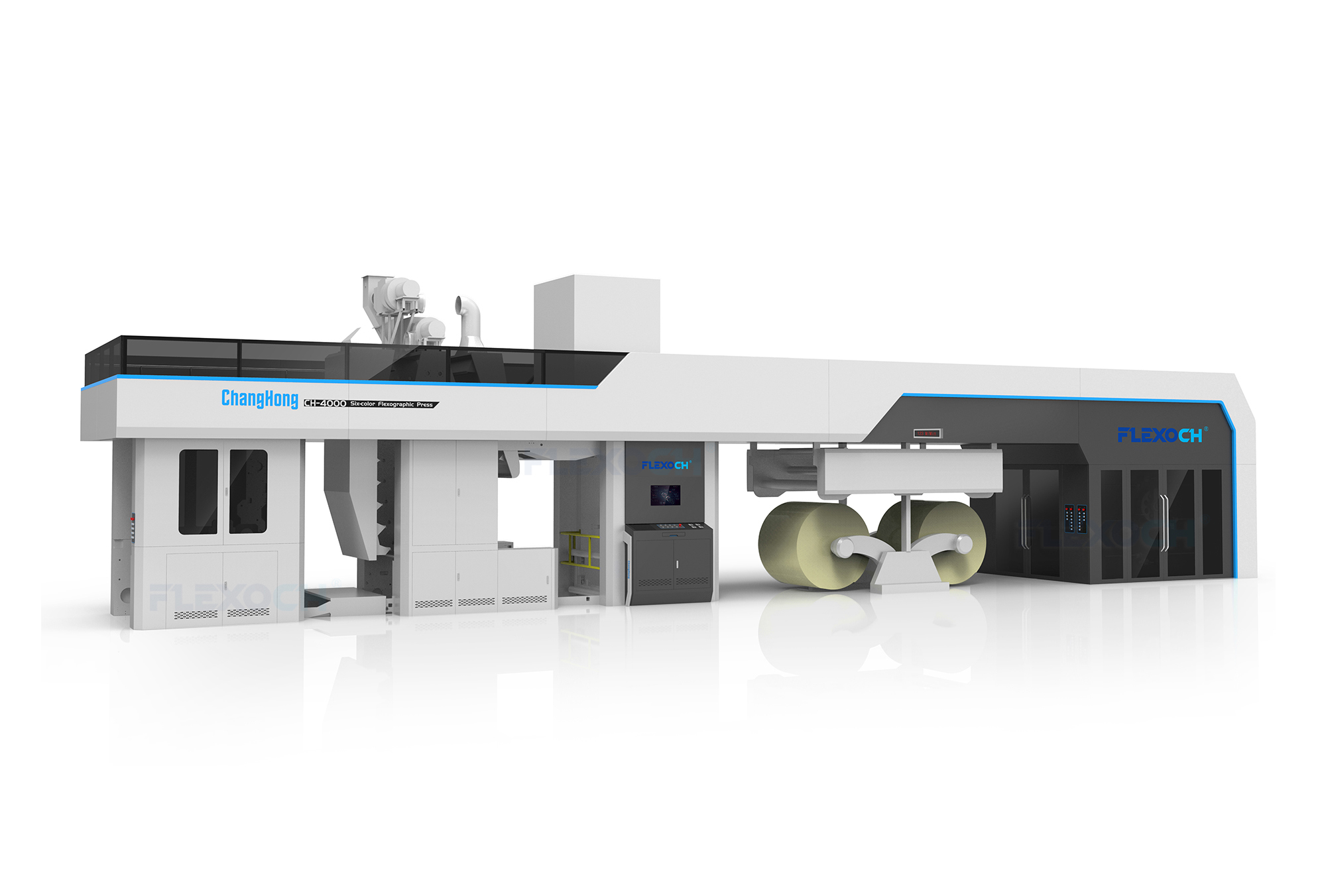

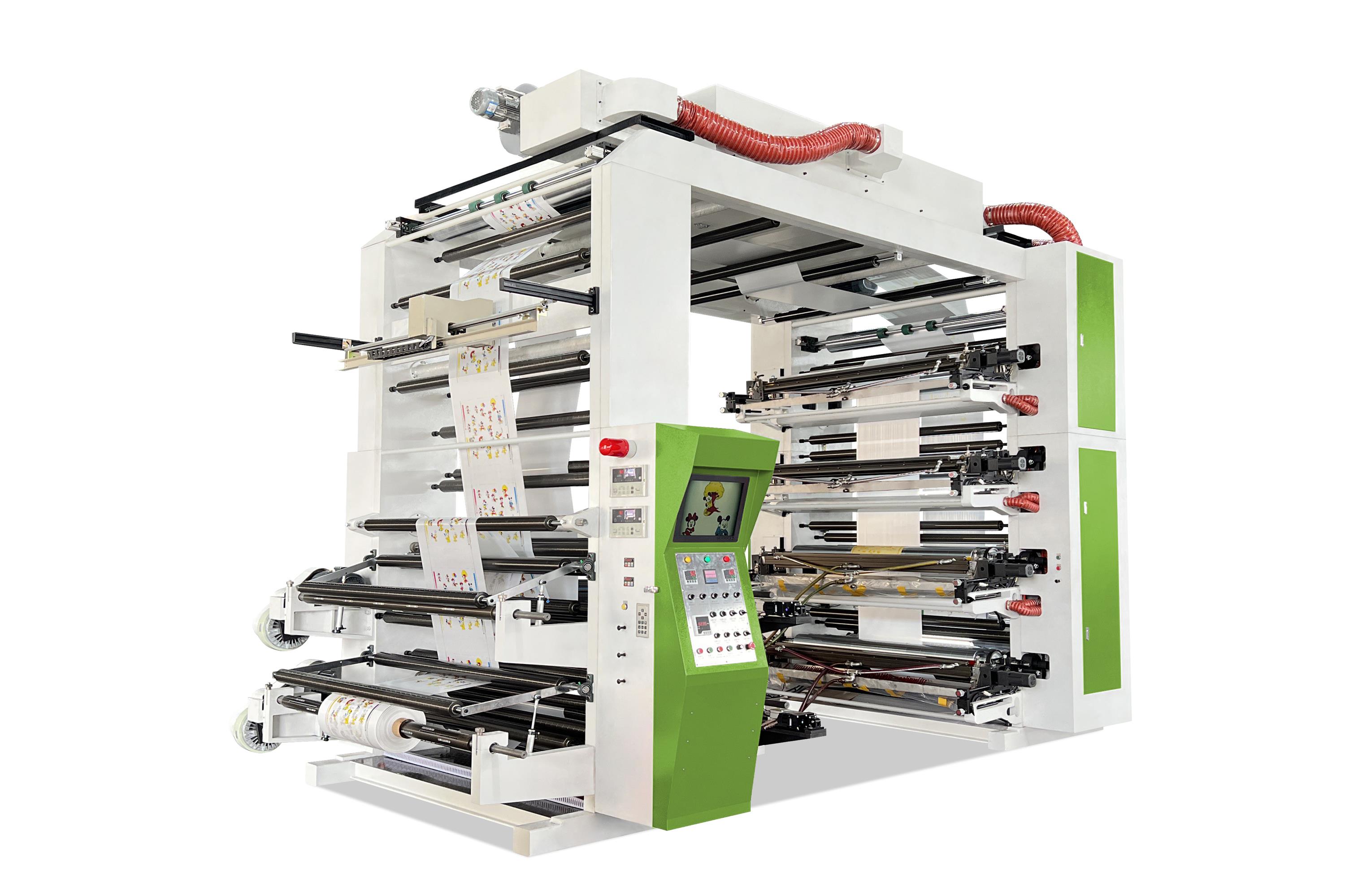
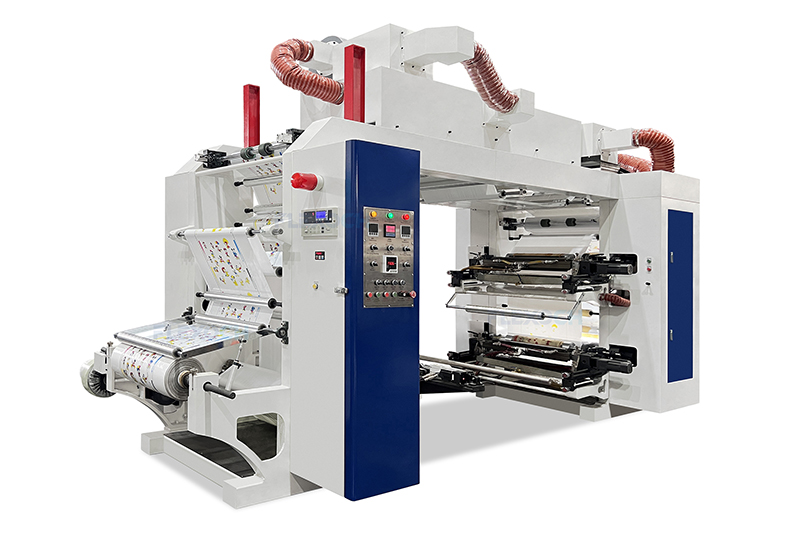
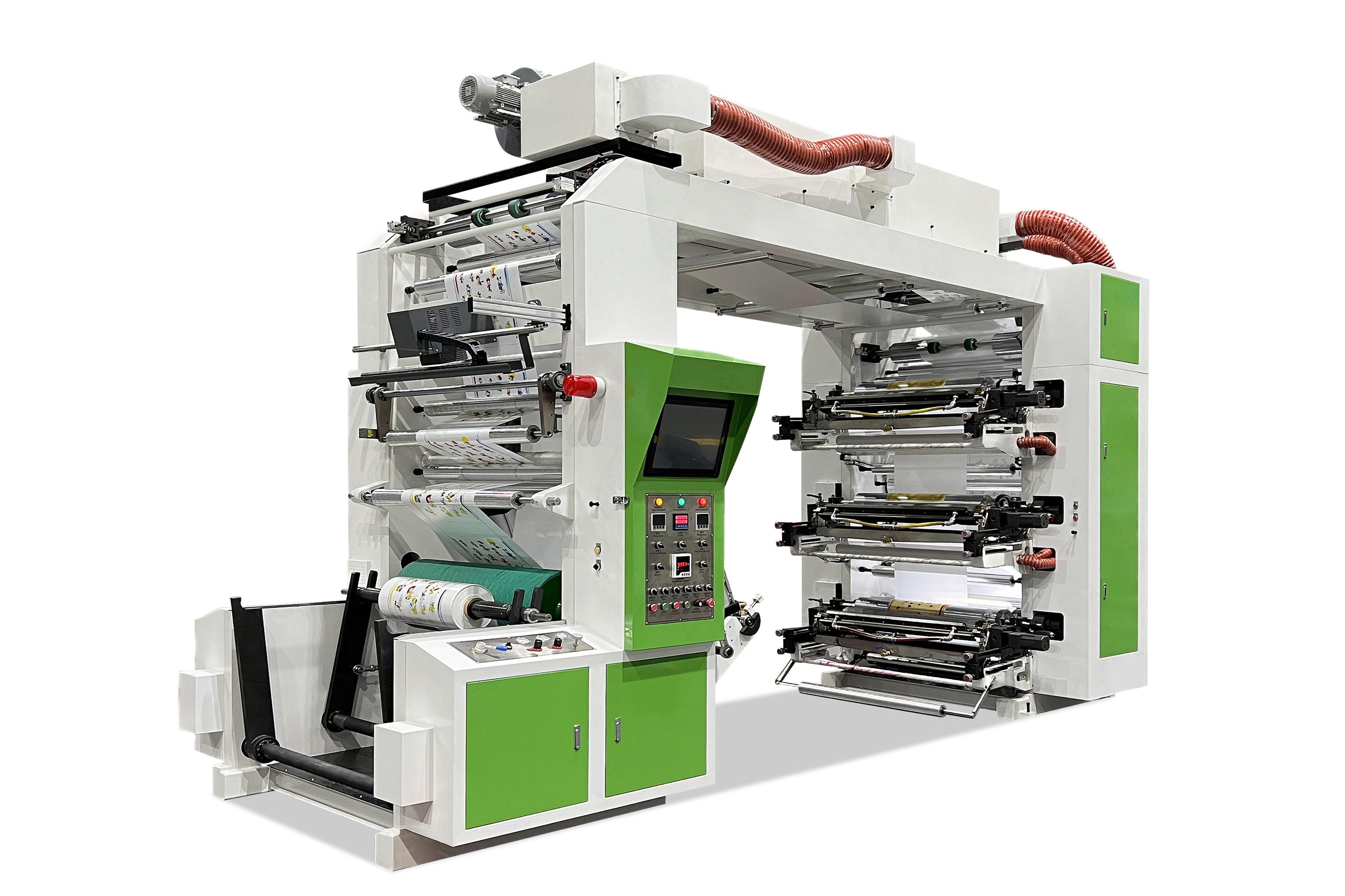
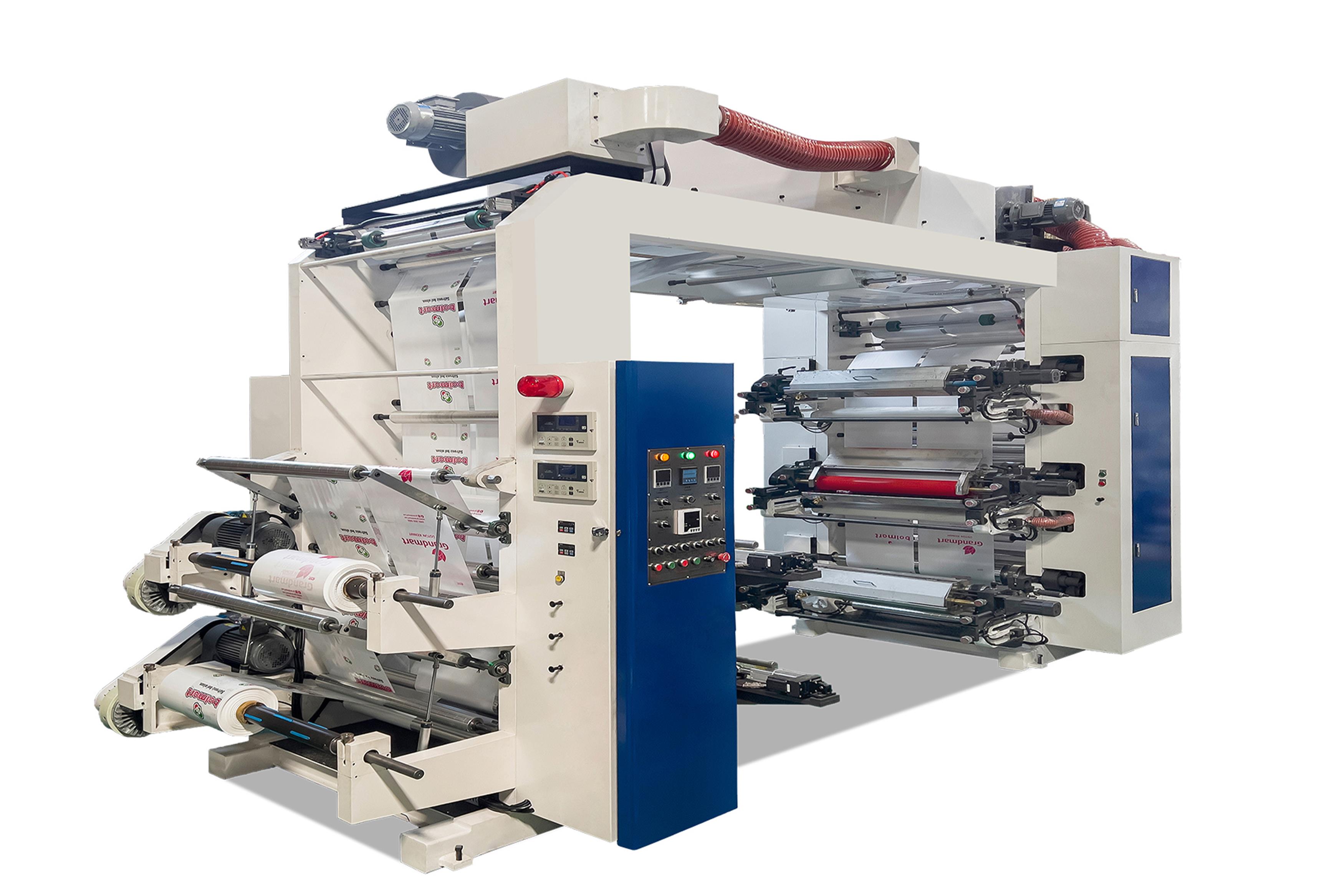
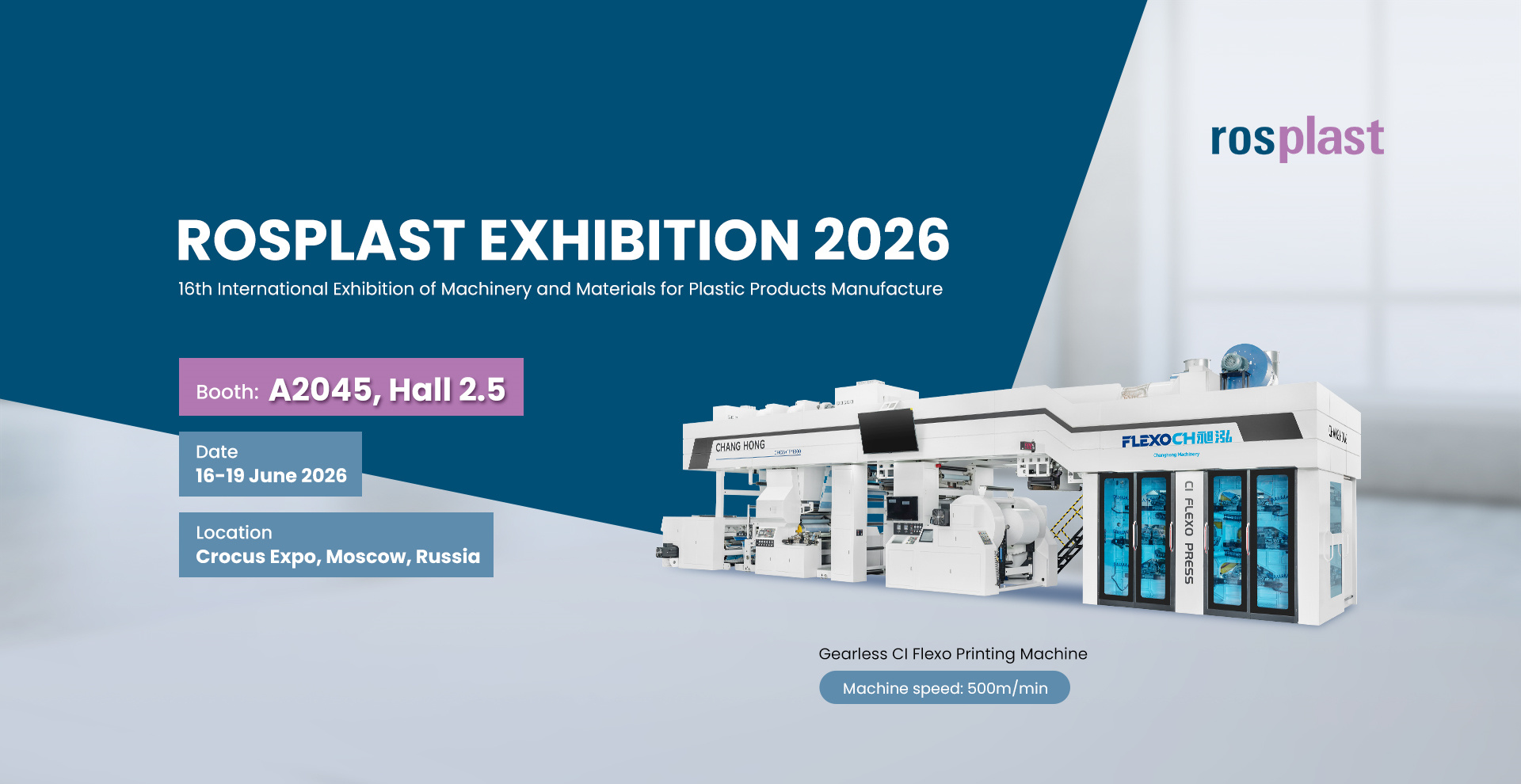
Ci Flexographic Printing Machine and Letterpress Ci Printing Machine Products Stands Out
Top Selling Products
- Related Blog
- Reviews
